Source Adjustable Non Slip Ankle Strap for Sports and Rehab
Explore 30 adjustable non slip ankle strap options from verified Chinese suppliers. Compare key features such as elastic fabric construction, CE certification, and customizable logos. Ideal for fitness bodybuilding, rehabilitation therapy, and general sports protection, these universal ankle braces offer durable support for indoor activities.
Key considerations
Products List


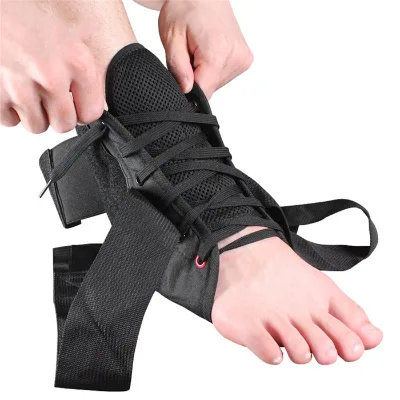
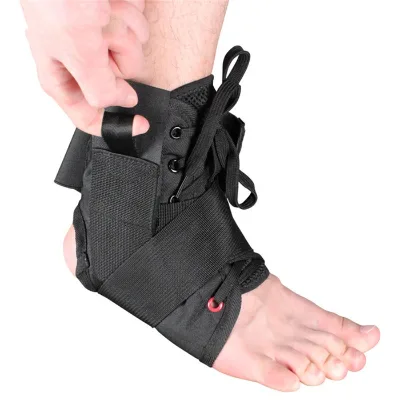


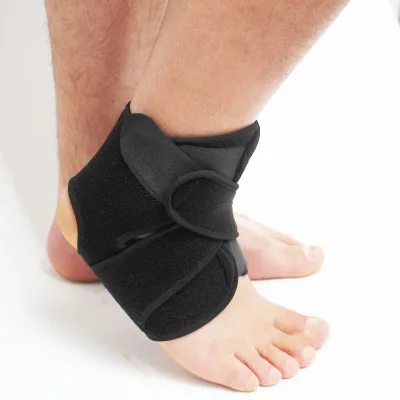


Comprehensive Sourcing Guide
Adjustable Non Slip Ankle Strap Sourcing Guide
Procuring adjustable non-slip ankle straps requires a clear understanding of the specific mechanical and material properties that ensure stability during high-intensity movement. Buyers must prioritize products where the adjustable mechanism, often utilizing elastic fabric, allows for a secure fit across varying ankle circumferences without compromising circulation. The observed market data indicates that these devices are frequently designed for rehabilitation therapy and fitness bodybuilding, serving as essential leg orthosis braces that provide targeted support.
When evaluating listings, it is critical to distinguish between general compression wraps and specialized orthotic supports that offer distinct protection projects such as basketball, football, or tennis. The presence of customization options for logos and colors suggests a robust supply chain capable of meeting private label requirements, yet the core functionality must remain the primary focus. Sourcing decisions should be grounded in verified attributes like the "Universal" or "Unisex" gender classification and the specific application scope, ensuring the selected item aligns with the intended indoor or outdoor usage environment.
Product Scope and Observed Listing Signals
The product scope for adjustable non-slip ankle straps encompasses a diverse range of models, from the HW3027 to the GL-NC002, each tailored for specific user needs ranging from general fitness to specialized rehabilitation. Listings frequently highlight features such as durability and the ability to keep the ankle warm and safe, which are essential for preventing injuries during dynamic activities. The observed material composition, typically elastic fabric, ensures the necessary stretch and recovery properties required for effective compression and support during physical exertion.
Buyers should carefully analyze the listed packing specifications, which vary from simple plastic bags to bulk brown cartons containing fifty pairs, as this impacts logistics and storage costs. The availability of customized colors like black, pink, or purple, along with the option for custom logos, indicates that many suppliers are positioned to serve both retail and corporate procurement channels. However, the distinction between a standard ankle support brace and a specialized sports compression strap must be verified, as the functional requirements for a rehabilitation patient differ significantly from those of a bodybuilder.
Technical Specifications to Verify
Technical verification begins with confirming the precise product dimensions and sizing standards, as models like the TRA686 and WX-AN005 offer specific size ranges such as S, M, and L to accommodate different foot sizes. It is imperative to validate the physical weight of the unit, noting that some listings specify a weight of 0.11kg per pair while others may list a total weight of 1kg for a set, which affects the overall shipping cost and user comfort. The standard size specifications, such as 43x9cm or 804040cm for packaging, provide a baseline for understanding the physical footprint of the product before finalizing an order.
The adjustment mechanism is a critical technical specification that determines the efficacy of the non-slip feature. Buyers must ensure that the adjustable design allows for a tight, secure fit that prevents the strap from sliding down during movement, a common failure point in lower-quality products. Additionally, the material properties must be confirmed to ensure they are suitable for the intended application, whether it is for indoor rehabilitation therapy or high-impact sports like badminton and table tennis, where sudden directional changes place significant stress on the ankle joint.
Compliance and Safety Documentation
Compliance and safety documentation are paramount when sourcing medical-adjacent products like ankle support braces, as these items often fall under regulatory scrutiny depending on the target market. The observed listings frequently cite certifications such as CE, FDA, and SGS, which serve as indicators that the manufacturer has undergone specific quality and safety assessments. Buyers should request valid certificates for each batch to ensure that the products meet the necessary health and safety standards for the regions where they will be sold or distributed.
Beyond general certifications, the specific product standards must be verified to ensure they align with international safety requirements. While some listings mention a "Univ" standard or specific size standards, these are often internal references rather than globally recognized safety benchmarks. Procurement teams should explicitly ask for documentation regarding the material safety and the structural integrity of the adjustable components to confirm that the product will not fail under stress, thereby protecting both the end-user and the brand from potential liability issues.
Cost Drivers and Commercial Terms
Cost drivers for adjustable non-slip ankle straps are heavily influenced by the level of customization required, including the selection of specific colors, the addition of custom logos, and the complexity of the packaging design. The observed MOQ ranges from 1 to 1000 units, offering flexibility for small startups while accommodating larger volume orders, but the unit price will fluctuate based on these variables. Buyers must account for the cost of specialized materials like high-grade elastic fabric and the labor involved in creating durable, adjustable mechanisms that maintain their tension over time.
Commercial terms regarding shipping and lead times are equally critical, as the origin of the products, ranging from Fujian to Jiangsu and Shandong provinces in China, affects transit duration and freight costs. The packing specifications, such as OPP bags or bulk cartons, directly impact the volumetric weight and the efficiency of container loading, which are key factors in determining the final landed cost. Procurement negotiations should focus on balancing the unit price with the total cost of ownership, including potential tariffs and the efficiency of the supply chain in delivering the required quantities within the agreed timeframe.
Supplier Qualification and Quality Control
Supplier qualification requires a thorough vetting process that goes beyond the basic information provided in product listings, focusing on the manufacturer's capacity to maintain consistent quality across large production runs. Buyers should verify the supplier's experience in producing leg orthosis braces and their ability to adhere to the specific customization requests for logos and colors without compromising the structural integrity of the product. The presence of OEM and ODM services indicates a supplier's flexibility, but this must be backed by a proven track record of delivering products that meet the stated functional requirements.
Quality control protocols must be established to ensure that every batch of ankle straps meets the defined specifications for weight, size, and material strength. Given the variation in observed product models and standards, it is essential to implement pre-shipment inspections that test the adjustability and non-slip performance of the straps under simulated usage conditions. Buyers should request sample batches to verify that the "Durable" and "Rehabilitation Therapy Supplies" attributes are genuinely met, ensuring that the final product performs reliably for its intended application in sports or medical settings.
Long-Term Procurement Checks
Long-term procurement checks involve establishing a framework for continuous performance monitoring and supplier relationship management to ensure sustained product quality and reliability. Buyers should regularly review the performance of the ankle straps in the field, gathering feedback on issues such as material degradation, loss of elasticity, or failure of the adjustable mechanisms. This data-driven approach allows for proactive adjustments to the product specifications or supplier selection, ensuring that the supply chain remains robust and responsive to changing market demands.
It is also vital to maintain open communication channels with suppliers to stay informed about any changes in material sourcing, manufacturing processes, or regulatory requirements that could impact the product. The observed diversity in product origins and standards suggests that the market is dynamic, and buyers must remain vigilant to ensure that the products continue to meet the necessary safety and performance benchmarks. By fostering a collaborative relationship with suppliers, buyers can secure a steady supply of high-quality adjustable non-slip ankle straps that support their business growth and customer satisfaction over the long term.
FAQs
What materials are used for the adjustable ankle strap?
The product is constructed from elastic fabric to ensure flexibility and comfort during use. This material choice supports rehabilitation therapy and fitness activities while providing necessary support for the ankle joint without restricting movement.
Can I request a customized logo on the ankle strap?
Yes, customized logo options are available for this product to meet your branding needs. You can select from black, pink, or other colors, and the supplier accepts custom logo requests for bulk orders to enhance your product identity.
Which sports activities are these ankle straps suitable for?
These straps are designed for protection in basketball, football, tennis, badminton, and table tennis. They also serve as bodybuilding fitness accessories to keep the ankle warm and safe during various indoor rehabilitation therapy and exercise sessions.
What certifications does the adjustable ankle strap hold?
The product holds CE certification and other certificates like FDA and SGS for quality assurance. These standards ensure the ankle support brace meets safety requirements for use in sports and rehabilitation therapy applications across different markets.
How is the product packed for shipping and delivery?
Packaging options include individual polybags, boxes, or brown cartons depending on the specific model ordered. Some items come in OPP bags with carton outside, while others are packed as 20 pieces per box for efficient logistics and storage.
What is the typical weight of one pair of ankle straps?
One pair of these ankle straps weighs approximately 0.11 kilograms, making them lightweight for daily use. The total weight for a single unit is listed as 1kg in some specifications, ensuring portability for athletes and therapy patients.
Are these ankle straps waterproof for outdoor use?
No, the product is non-waterproof and is primarily intended for indoor applications. Users should avoid exposing the elastic fabric to water to maintain the durability and structural integrity of the ankle support brace during fitness or therapy sessions.